
Weed in Sa Pa: Law, Enforcement, and the Real Risk in Vietnam’s Highlands
Weed in Sa Pa is completely illegal under the narcotics framework of Vietnam. The law recognizes no medical or recreational exception. Therefore, even small amounts can lead to fines, detention, and confiscation. Meanwhile, anything that resembles dealing, cultivation, or trafficking can trigger long prison terms, life sentences, or even the death penalty.
Although Sa Pa attracts travelers for trekking and mountain views, the legal climate remains strict. As a result, anyone considering cannabis in this highland town should understand both the statutory ceiling and the practical enforcement pattern.
Vietnam’s Narcotics Law and What It Means for Weed in Sa Pa
Vietnam classifies cannabis—plant material, resin, flowers, leaves, and THC—as a Schedule I narcotic that is absolutely prohibited from use. In other words, the law assigns it no recognized medical value. This classification applies nationwide, including the Sa Pa highlands.
Key legal principles include:
- Recreational cannabis is illegal.
- Medical cannabis is illegal.
- Possession, use, cultivation, sale, and transport are criminal or administrative offences.
Because cannabis sits in the same legal category as heroin, penalties scale sharply with quantity. Small personal use may trigger administrative sanctions. However, larger quantities or signs of distribution activate the Criminal Code.
For trafficking above statutory thresholds—often cited at 600 grams or more—penalties can reach 20 years in prison, life imprisonment, or even capital punishment. Authorities emphasize that these sanctions apply equally to foreigners and Vietnamese citizens.
Administrative vs Criminal Penalties
Vietnam uses a two-tier structure: administrative fines for minor violations and criminal prosecution for serious cases.
Administrative Side
Under Decree 144/2021, illegal use of narcotic substances, including cannabis, can result in:
- A formal warning
- Fines between 1–2 million VND (approximately US$40–80)
- Confiscation of the drug and related items
For simple smoking without trafficking evidence, fines often remain the initial response. However, police retain discretion, and repeat behaviour can escalate consequences.
Criminal Side
When authorities detect larger quantities or evidence of trading, storing, or transporting, the Criminal Code governs the case. At that stage, penalties increase significantly.
Convictions may bring:
- Multi-year prison terms
- Sentences up to 20 years
- Life imprisonment
- Death penalty in severe trafficking cases
Because cannabis is treated as a narcotic without exception, courts do not differentiate between “soft” and “hard” drugs in sentencing structure.
What Happens on the Ground in Sa Pa
On paper, the law is strict. In practice, Sa Pa presents a limited and cautious environment.
Sa Pa does not display a visible cannabis culture. Public discussion of weed can attract attention. Tourist areas and backpacker hangouts are often monitored. Therefore, visible smoking or open sourcing significantly increases exposure.
Although some travelers report being discreetly offered marijuana, these encounters occur in informal and illegal markets. There is no regulated retail scene. There are no dispensaries, cafés, or semi-legal shops.
Obtaining cannabis in Sa Pa means navigating an underground network. That network carries legal risk, scam risk, and product-quality uncertainty.
Is Cannabis Actually Offered in Sa Pa?
Despite strict law, anecdotal reports suggest that some individuals quietly approach tourists in backpacker zones. However, these offers usually occur in areas where police presence is common.
Several consistent themes appear:
- Tourist-heavy areas are monitored.
- Street deals carry scam risk.
- Quality is inconsistent.
Older traveler accounts describe low-grade local weed with limited potency. That reflects a broader reality: hemp plays a role in local textile traditions, but high-THC cannabis is not embedded in local culture.
It is important to distinguish between traditional hemp use and psychoactive cannabis. Ethnic minority communities in the region—such as Hmong and Dao groups—use hemp historically for textiles, not for recreational intoxication.
Cultural Attitudes in Sa Pa
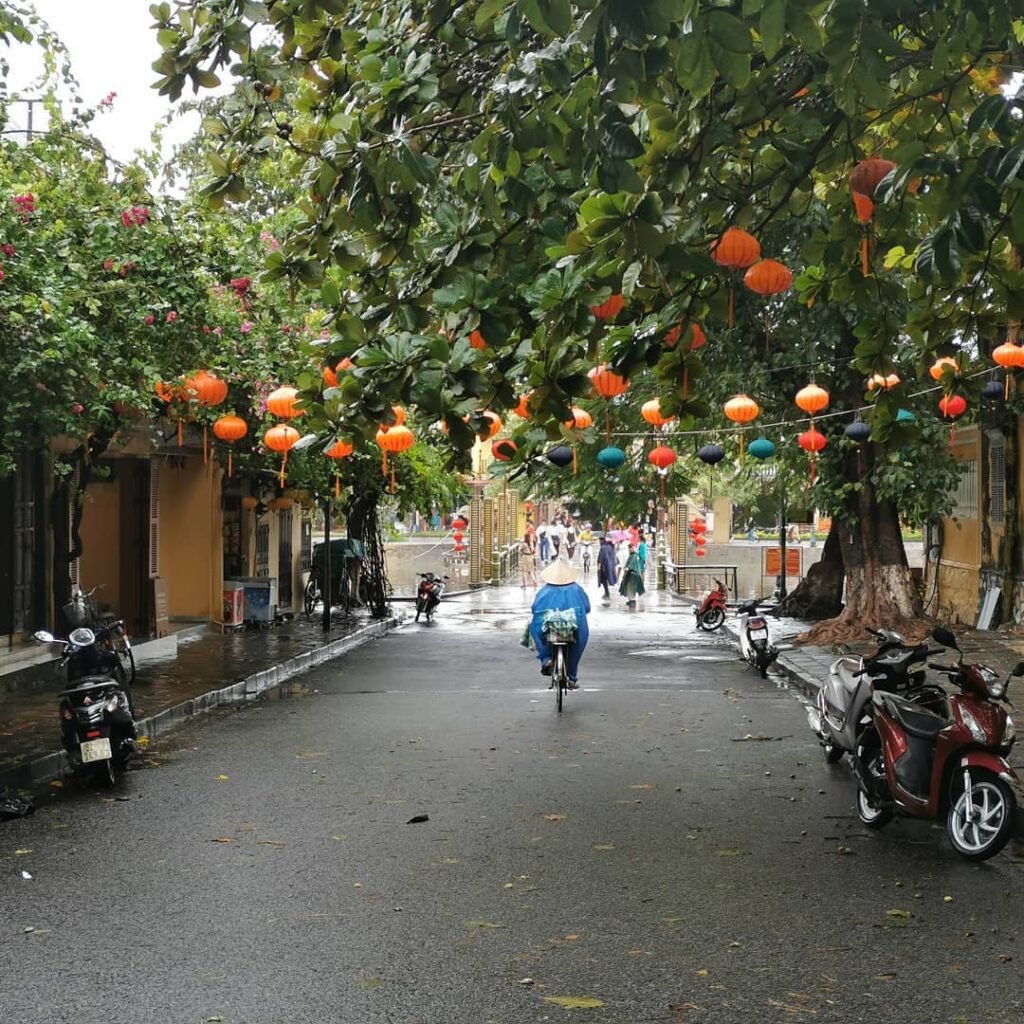
Sa Pa maintains a conservative social climate. Vietnamese society generally views drug use negatively and associates it with crime and irresponsibility.
In this mountain town, visible cannabis use carries both legal and cultural consequences. Trekking villages and homestay networks operate within tight community structures. Therefore, open drug use can damage trust and reputation.
Even tourism workers familiar with global cannabis norms remain cautious. Social stigma, combined with legal risk, reinforces discretion.
In short:
- Cannabis use conflicts with local values.
- Public smoking creates cultural friction.
- Legal consequences remain real.
CBD, Hemp, and Regulatory Confusion
Nationally, CBD derived from compliant low-THC hemp is described in some regulatory overviews as tolerated and commercially available. Industrial hemp itself is not banned.
However, several legal and travel-safety sources warn that authorities may not distinguish clearly between CBD and THC products during enforcement. Border officials can confiscate oils, vapes, or edibles and treat them as narcotics.
There is no well-defined CBD retail scene in Sa Pa. Therefore, travelers should assume that all cannabis-derived products could attract scrutiny.
The safest operational rule remains simple: do not import cannabis or CBD into Vietnam.
Quality and Market Risk in Sa Pa
Because the market operates illegally, quality control does not exist. Buyers cannot verify THC levels or screen for contaminants. Reports suggest:
- Low-grade flower appears most often.
- Potency varies widely.
- There is no safety guarantee.
High prices often reflect scarcity and risk rather than quality. Consequently, health risk accompanies legal risk.
Enforcement Reality
Although small personal use may sometimes result in fines, trafficking cases trigger aggressive prosecution. Vietnam continues to apply strict narcotics enforcement nationwide.
Authorities publicly emphasize deterrence. Foreign nationals already serve long sentences for narcotics crimes in Vietnam. Therefore, assumptions of leniency for tourists are unreliable.
In Sa Pa specifically:
- Police monitor tourist clusters.
- Public complaints can prompt intervention.
- Discretion does not equal immunity.
Because enforcement campaigns can intensify without warning, risk assessment must account for unpredictability.
Harm Reduction and Practical Advice
From a compliance standpoint, abstinence remains the only zero-risk option.
However, realistic risk mitigation includes:
- Do not bring cannabis or CBD into Vietnam.
- Avoid asking guides, hotel staff, or drivers about sourcing.
- Do not smoke in public spaces, trekking routes, or homestays.
- Never carry large quantities or packaging that resembles dealing.
- Do not drive or ride a motorbike after using any intoxicant.
If someone feels unwell after consuming any substance, seeking medical assistance promptly is safer than concealment. Emergency care prioritizes stabilization.
Nevertheless, these measures reduce exposure only partially. They do not remove legal liability.
Legal Reality vs Street Anecdote
When analyzing weed in Sa Pa, three layers define the situation:
Legal Reality
Cannabis is fully illegal with severe statutory penalties.
Street Reality
Occasional discreet offers occur in tourist zones, yet the market remains small and inconsistent.
Cultural Reality
Local attitudes discourage visible drug use, reinforcing both stigma and enforcement risk.
Because these layers intersect, reliance on anecdotal “it’s fine if you’re careful” narratives creates false security.
Final Perspective on Weed in Sa Pa
Sa Pa offers dramatic rice terraces, mountain treks, and cultural immersion. Visitors travel there for landscapes and homestays, not nightlife excess. Under Vietnam’s narcotics law, it is a poor destination for cannabis use.
Weed in Sa Pa exists only in a limited underground sphere. Meanwhile, statutory penalties remain severe, and enforcement discretion can shift quickly. Foreigners receive no exemption, and border importation risk is particularly high.
Therefore, the rational conclusion is direct: enjoy Sa Pa for its scenery and heritage, not for cannabis. The only genuinely low-risk choice is to experience the mountains sober and reserve cannabis exploration for countries where the law explicitly permits it.
In Vietnam’s northern highlands, the margin for error remains narrow.